Care Not Killing - Promoting palliative care, Opposing euthanasia and assisted suicide

Promoting palliative care, Opposing euthanasia and assisted suicide

Care Not Killing

< HOME

< SCOTLAND

02 February 2009

A briefing on the End of Life Assistance (Scotland) Bill 2010, and how to respond to the current consultation.

On 10 February 2010, the Scottish Parliament established the End of Life Assistance (Scotland) Bill Committee. The remit is to consider the general principles of Margo MacDonald's bill and report on them to the Scottish Parliament. The Committee on Wednesday 3 March 2010, launched its public call for evidence on the Bill. Further information is available on the committee's webpage.

Those making written submissions are asked to send their views on the Bill by no later than Wednesday, 12 May 2010. CNK would encourage all individuals to respond and would encourage doctors or other health care professionals to detail from your professional experience your reasons for opposing the legalisation of assisted suicide and euthanasia.

Responses should be sent, wherever possible, electronically and in MS Word format to: ELABill.committee@scottish.parliament.uk

Committee members include:
Ross Finnie (Convener)
Ian McKee (Deputy Convener)
Michael Matheson
Nanette Milne
Helen Eadie
Cathy Peattie

The Committee's consideration of the Bill is unlikely to be completed by the summer recess. Most likely, they will take oral evidence in May and June and publish their report during the summer or early autumn. The Stage 1 debate is due to take place in early November. Further details of the enquiry

Margo Macdonald's End of Life Assistance (Scotland) Bill - A brief critique from CNK

- The scope of the Bill is incredibly broad. It would offer assisted suicide to people who are to some degree dependent on others and would include those with life threatening and non life-threatening disabilities, and those with relatively common conditions such as, for example, insulin-dependent diabetes, heart or lung disease. Tens of thousands of seriously ill and disabled people throughout Scotland would fall within its remit.

- The Bill purports to allow assisted suicide (where a patient is provided with lethal drugs by a physician for self-administration). In fact it goes much further. It would also legalise euthanasia (where a physician administers lethal drugs to a patient directly).

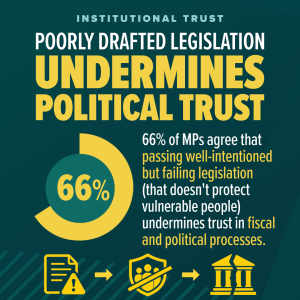
- The drafting of the Bill is vague and full of euphemisms and ambiguities. Among others, there is no definition of what it is to find life 'intolerable' and the methods by which life would be legally terminated are not identified.

-The bill is not clear on what means can be used to end a person's life. One might assume that it is envisages lethal drugs but this is not specified and therefore the 'means of administration' might conceivably include gas (carbon monoxide or helium), hanging, a bullet or a push off a cliff.

- Safeguards are seriously defective. Among others, there is real doubt that the suggested medical assessments would be sufficient to discern that the patient is not under external pressure to request assisted suicide.

- The Bill contains no specified procedures by which doctors would report their involvement with an assisted suicide. This makes meaningful audit of how the law was working highly problematic.

- It places responsibility for providing “end of life assistance” on the shoulders of Scottish doctors, for whom it contains no 'conscience clause' and the majority of whom would not be prepared to participate in implementing the proposals of the Bill.

- The Bill is intended to 'enable a person to die with dignity and a minimum of distress'. This is already provided through good health care and particularly palliative medicine.

General Points

- The vast majority of medical practitioners and all the Royal Colleges of Medicine do not support assisted suicide.

- The Scottish Parliament has already had two opportunities to discuss assisted suicide. On both occasions the legalization of assisted suicide was convincingly rejected.

- For society to accept assisted suicide or euthanasia means it agrees that some lives no longer have any meaning, value or worth.

- Having assisted suicide legislation in place sends a message to vulnerable, ill, and elderly people that they should take up the option of assisted suicide so as not to be a burden.

- Evidence from the Netherlands and the US state of Oregon – where assisted suicide is currently legal - shows that it is impossible to prevent abuses from occurring.

Care Not Killing Alliance

Further reading
A brief analysis of the contents of the Bill from the SPPC